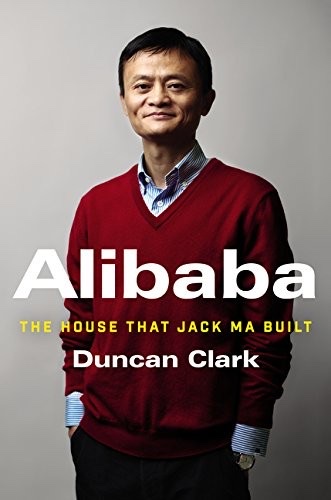
Cover of Alibaba: The House That Jack Ma Built

Alibaba: The House That Jack Ma Built

Duncan Clark

7 ideas

  1. The Alipay transfer that broke Yahoo's trust

    Alipay's ownership was moved out of Alibaba Group into a domestic entity controlled by Jack Ma in transfers dated June 2009 and August 2010, which Ma justified by central bank rules favoring domestically owned payment licensees. When the move was publicly disclosed in May 2011, Yahoo and SoftBank disputed whether the board had properly approved it. In Clark's telling, the episode damaged Yahoo's trust in Ma and exposed how a regulatory rationale could be used to restructure assets away from foreign shareholders.

  2. Nontechnical founder wins by orchestration, not engineering

    Jack Ma, an English teacher who could not code, built Alibaba by managing the relationships around the company: regulators, investors, employees and the press. His skills were persuasion, storytelling and positioning. The technical work was hired or bought. Leadership of a platform company can therefore rest on controlling the narrative and the stakeholder coalitions rather than on product expertise.

  3. Variable interest entity ownership raises protection questions

    Foreign investors in Chinese internet firms typically own shares in an offshore company whose claim on the licensed domestic operating company, held by founders or insiders because of foreign-ownership limits, rests on contracts. The structure lets foreign capital in despite those limits, but Clark questions how well it protects investors when control of the domestic entity lies with insiders.

  4. Regulation as both advantage and exposure

    Chinese licensing rules, foreign-ownership limits and preferences for domestic firms at times worked in Alibaba's favor against foreign rivals and gave Ma grounds for the Alipay restructuring. But Clark shows regulators divided among themselves and Alibaba facing continuing political exposure, so regulation was a source of risk as well as advantage rather than a dependable moat.

  5. Solve trust first in low-trust markets

    Chinese online commerce faced three trust gaps: strangers wouldn't pay first, sellers wouldn't ship first, and banks offered weak card infrastructure. Alibaba's answer, Alipay, held buyer funds in escrow until the goods arrived, which made transactions possible at all. In markets like this, the scarce product is the trust mechanism, and whoever supplies it owns the transaction layer.

  6. Partnership structure entrenches founders beyond shareholding

    Alibaba created the 'Alibaba Partnership', a self-selecting group of insiders who nominate a majority of the board regardless of how many shares they own. Hong Kong refused to list the company under this arrangement. Alibaba took its record 2014 IPO to New York instead. The result is that governance control can be permanently separated from economic ownership, and investors accept this when growth prospects are strong enough.

  7. Serve small merchants, not big enterprises

    Alibaba's first B2B site targeted China's many small and medium exporters, not large corporations. These firms were underserved, lacked their own channels to foreign buyers, and would pay modest fees for visibility. Aggregating the long tail of small sellers built network effects and loyalty that big-enterprise models couldn't match.

Save and mark ideas in the app