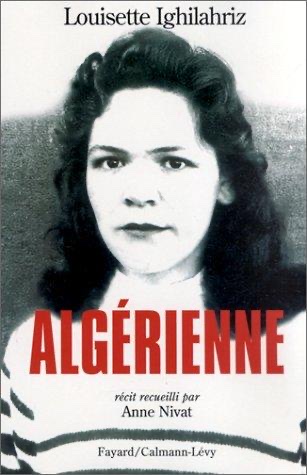
Cover of Algérienne

Algérienne

Louisette Ighilahriz

3 ideas

  1. The Le Monde testimony that summoned generals

    In June 2000, Louisette Ighilahriz, an FLN fighter wounded and captured at Chebli near Algiers in September 1957, told Le Monde (reporter Florence Beaugé) how she was held and tortured for about three months at a 10th Parachute Division post, naming Generals Massu and Bigeard as present. Massu publicly expressed regret and conceded torture had not been necessary, while Bigeard denied her account outright. The exchange prompted further public reckoning, including General Aussaresses' open avowal of torture and summary executions.

  2. Searching for the rescuer, not the torturer

    Ighilahriz said her main reason for speaking was to find the army doctor, Commandant Richaud, who had her moved and treated and so ended her torture, in order to thank him. Framing testimony around the one officer who refused complicity shows that individual conscience was possible inside the system. That undercuts the defense that the torturers had no choice and makes the testimony harder to dismiss as vengeance.

  3. Shame as the mechanism of delayed testimony

    Sexual and bodily violence against a woman prisoner produces a shame that falls on the victim, especially within her own community, so it silences her for decades after the violence ends. Read this way, a forty-year gap before testimony is not evidence of unreliability. It measures how thoroughly the torture continued to work after the victim was released.

Save and mark ideas in the app