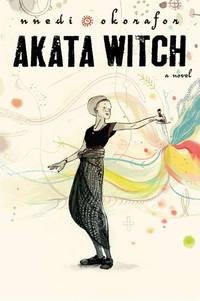
Cover of Akata Witch

Akata Witch

Nnedi Okorafor

4 ideas

  1. Sunny's coven hunts Black Hat Otokoto

    Sunny Nwazue is a twelve-year-old albino girl, born in New York and living in Aba, Nigeria. She learns she is a Leopard Person, a hereditary magic user, and is placed in an 'Oha coven' with three other young initiates: Orlu, Chichi and the American Sasha. Their elders send these barely trained children to stop Black Hat Otokoto, a ritual serial killer of children who is trying to summon the destructive spirit Ekwensu. The episode shows adults handing a mortal threat to newcomers because the newcomers' unusual abilities, not their experience, are what the task requires.

  2. Chittim: knowledge as the only currency

    In Leopard society, money (chittim) is not earned by labor or trade. It falls from the sky each time a person genuinely learns something. Tying wealth directly to understanding makes curiosity the economic engine, and it means status depends on how much you have learned, not on inheritance or effort alone.

  3. Your defining flaw is your power

    Among Leopard People, the trait that marks someone as deficient in ordinary society is often the source of their magical ability. Orlu's dyslexia becomes a natural gift for undoing juju. Sunny's albinism, which sets her apart and keeps her out of the sun, is tied to her spirit face and her ability to move between worlds. A system that measures people against a norm can mistake a different capacity for a lack of capacity.

  4. Relocating fantasy's default cosmology

    The novel builds its magic from Igbo and wider West African sources: masquerades, the wilderness spirit realm, Ekwensu and nsibidi script, rather than wizards and European folklore. Changing the cosmological base changes what counts as 'normal' magic, so African readers see their own tradition at the center. Readers from elsewhere see the European version as one local tradition among many.

Save and mark ideas in the app