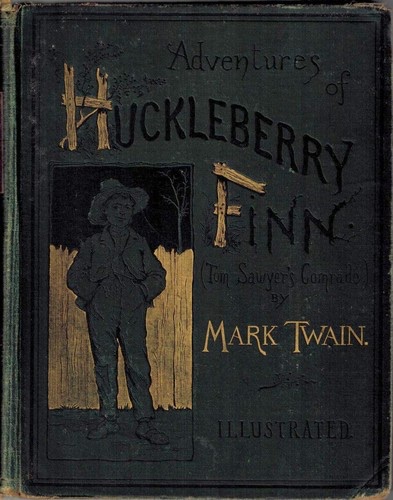
Cover of Adventures of Huckleberry Finn

Adventures of Huckleberry Finn

4 ideas

Buy on Amazon
  1. Huck Tears Up the Letter

    After writing a note to turn in the escaped slave Jim to his owner, Huck remembers Jim's kindness and friendship on the river and decides he would rather defy his society's morality than betray him, saying 'All right, then, I'll go to hell' as he rips the letter up. His conscience, trained by the culture, tells him helping Jim is sin, yet his direct experience of Jim as a person overrides the instruction.

  2. Trained Conscience Can Be Wrong

    A person's conscience is shaped by the surrounding society, so it can command cruelty and condemn kindness while still feeling like the voice of right. Huck feels guilty for the one genuinely good act he commits, which shows that the sense of guilt tracks social conditioning rather than actual morality.

  3. The River Versus The Shore

    Life on the raft drifting downriver is rendered as free, honest, and peaceful, while every landing on shore brings fraud, feuds, mobs, and cruelty. Viewing society from outside and below, as an unschooled boy drifting past it, exposes the violence and hypocrisy that those embedded in town life treat as normal.

  4. The Respectable Con Artist

    The Duke and the Dauphin dress up swindles in borrowed dignity, titles, religion, and performance, and townspeople cooperate because the fraud flatters their self-image and appetites. Deception succeeds not by hiding but by wearing the costume of legitimacy that audiences already want to believe.

Save ideas and give them a thumbs up or down in the app