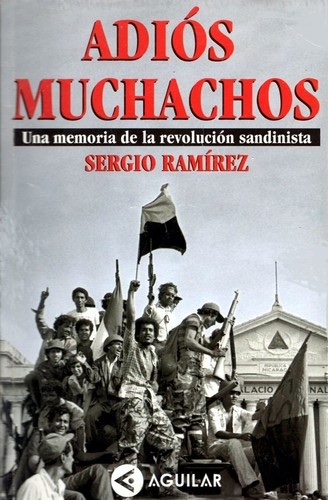
Cover of Adiós muchachos

Adiós muchachos

Sergio Ramírez

4 ideas

  1. The Sandinistas lose the 1990 election

    In February 1990 the FSLN, confident of victory, lost the presidential election to Violeta Chamorro's UNO coalition, and Ramírez lost with Ortega as his running mate. Voters worn down by the Contra war, economic collapse, and the hated compulsory military draft rejected a party that had mistaken its crowded rallies for consent. The Sandinistas handed over power, making it one of the rare revolutions to leave office through the ballot box.

  2. The piñata: revolutionaries privatizing the state

    In the weeks between the 1990 defeat and the transfer of power, Sandinista leaders and cadres legalized for themselves houses, vehicles, land, and enterprises that had been confiscated or run by the state. Ramírez presents this 'piñata' as the moment the revolution's ethic of austerity and sacrifice collapsed. Once the leadership began securing personal property, the moral authority that justified its sacrifices was spent.

  3. Respectable allies as insurgency's legitimacy bridge

    In 1977 Ramírez helped assemble the Group of Twelve, a set of prominent professionals, priests, and businessmen who publicly backed the FSLN. Their reputations made a Marxist-tinged guerrilla acceptable to the middle class, the Church, and foreign governments. This broadened the anti-Somoza front beyond what armed action alone could achieve.

  4. Guerrilla verticalism corrupts revolutionary government

    The clandestine, military chain of command that let the Sandinistas survive and win carried straight into governing through a nine-comandante National Directorate that tolerated no internal dissent. Because the party never built mechanisms to question its leaders, the generation's idealism had no institutional protection. That left the organization open to capture by a single caudillo, Daniel Ortega, which led Ramírez to break with the FSLN.

Save and mark ideas in the app