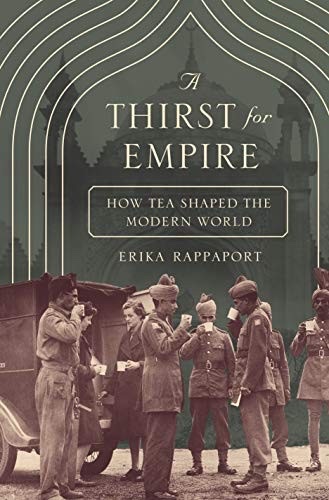
Cover of A Thirst for Empire

A Thirst for Empire

Erika Rappaport

6 ideas

  1. Mass tea demand was manufactured, not natural

    British tea drinking was not an innate national taste but the product of sustained campaigns by merchants, planters, retailers and governments. Demand was built through advertising, retail innovation, political lobbying and moral movements, so a mass consumer market must be understood as a constructed institution rather than a pre-existing appetite.

  2. Planters recast China tea as impure

    To displace Chinese imports in the late nineteenth century, promoters of Indian and Ceylon tea portrayed China tea as adulterated, dirty and foreign, while presenting plantation tea as machine-made, hygienic and British-controlled. Ethnic and racial stereotypes were turned into product attributes, and 'Empire-grown' became a selling point that shifted market share toward colonial estates.

  3. Producer-funded collective advertising through export levies

    Indian tea planters lobbied for a cess, a small tax on each pound of exported tea, beginning with the Indian Tea Cess Act of 1903, and used the pooled revenue to fund generic promotion of the category rather than individual brands. This let a fragmented industry act as a single advertiser, using state taxing power to finance private market expansion abroad.

  4. Tea advertising as a tool of empire

    Read tea promotion as having political as well as commercial aims: the Empire Marketing Board used posters, exhibitions and films to link everyday purchases of Empire-grown goods with loyalty to the empire and with support for colonial production. The International Tea Market Expansion Board, by contrast, increasingly sold tea through appeals to universal health and vitality rather than explicit imperial loyalty, so the imperial framing belongs to particular bodies and moments, not to all tea publicity.

  5. Moral movements served as marketing channels

    Temperance reformers promoted tea as the sober, domestic alternative to alcohol, and in doing so spread the commodity among working-class and respectable consumers far more cheaply than paid advertising could. Commercial interests gained from attaching a product to a moral cause, which gave consumption the aura of virtue and self-improvement.

  6. Colonial producers turned colonies into consumers

    When Western markets saturated and prices slumped in the interwar years, the tea industry's expansion boards ran campaigns inside India itself, with demonstration vans, tea stalls and free samples aimed at teaching Indians to drink the crop they grew. Producing regions were thereby converted into new mass markets, which is why milky, sweet tea became an Indian national habit in the twentieth century.

Save and mark ideas in the app