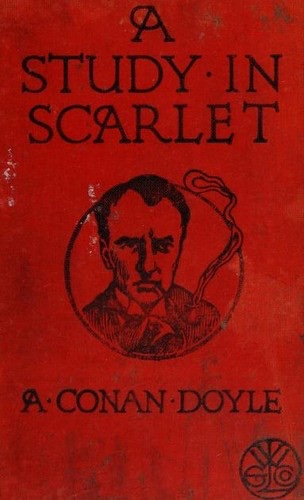
Cover of A Study in Scarlet

A Study in Scarlet

3 ideas

Buy on Amazon
  1. Backward reasoning from effect to cause

    Reasoning forward from cause to effect is common; reasoning backward from an observed result to reconstruct the steps that produced it is rare and more powerful. Given an outcome, you strip away one hypothesis at a time until the remaining chain of inference, however improbable, is the only one consistent with all the evidence.

  2. Observation differs from seeing

    Trivial-seeming physical details (mud spatter, callouses, a watch's scratches, the wear on a sleeve) each carry specific evidential value about a person's trade, recent movements and habits, if read deliberately rather than merely seen. Most people look without observing, so the information is present but unused.

  3. The brain-attic selective-knowledge model

    Treat the mind as a storage space of finite capacity, so deliberately exclude knowledge that does not serve your central work rather than accumulating facts indiscriminately. Under this view, ignorance of a widely known fact can be a rational choice if that fact would crowd out something more useful to your actual purpose.

Save ideas and give them a thumbs up or down in the app