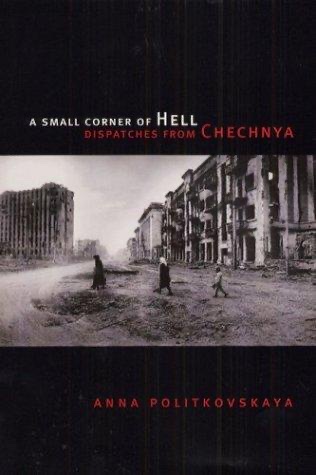
Cover of A Small Corner of Hell

A Small Corner of Hell

Anna Politkovskaya

5 ideas

  1. Reporter detained at Khattuni pit camp

    In February 2001 Politkovskaya went to the federal army base near the Chechen village of Khattuni to investigate complaints that detained civilians were being held in open pits and tortured. Soldiers arrested her, interrogated her for hours, and staged a mock execution before releasing her. This is a documented case of a state military using intimidation against a journalist to keep an abuse site from being seen.

  2. War as a market in people

    Detention becomes a revenue stream when soldiers and officials charge families ransom for living detainees and payment for the corpses of dead ones. Each new arrest then brings money as well as intelligence, which gives the people waging the war a financial stake in keeping it going. The conflict stops being only a political project and becomes an economy that resists being ended.

  3. Cleansing operations manufacture the insurgency

    Zachistki are sweeps in which whole villages are cordoned off and the men are detained, beaten, or disappeared. They punish civilians collectively for the presence of fighters. Families who lose sons with no recourse get a reason to take up arms, so the operations meant to eliminate the insurgency supply it with recruits.

  4. Token prosecutions launder systemic impunity

    Colonel Yuri Budanov strangled 18-year-old Elza Kungaeva in 2000, and his trial was the rare case that reached court. The court's willingness to entertain a temporary-insanity defense showed soldiers where the real limits lay. Punishing one exceptional case lets the state claim accountability, while the thousands of ordinary abuses that never reach court show troops that crimes against Chechens carry no cost.

  5. Atrocity sustained by audience indifference

    This lens looks past the soldiers committing violence to the distant public that chooses not to know. That public's indifference, and its acceptance of official language like "counter-terrorist operation," removes the political pressure that would make abuses costly to the government. Reporting is then aimed less at the perpetrators than at breaking the bystanders' comfortable ignorance.

Save and mark ideas in the app