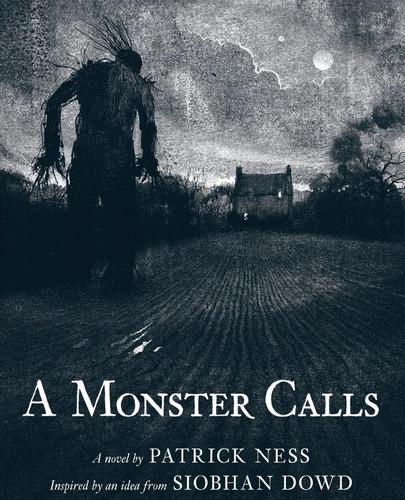
Cover of A Monster Calls

A Monster Calls

United Kingdom

3 ideas

Buy on Amazon

Conor’s mother is gravely ill when a yew-tree monster begins visiting him. It promises three stories, each pressing on feelings Conor struggles to face. Patrick Ness builds this young adult novel around the unsettling ways a story can help a child approach grief.

  1. Conor's wish for the waiting to end

    The truth Conor hides is that part of him wanted his mother's long illness to be over, and the monster tells him this wish was about ending his own pain, not wanting her dead. Keeping it secret as something monstrous feeds his wish to be punished, his isolation and his rage. Saying it aloud lets him stop fighting himself and be with his mother as she dies.

  2. Humans hold contradictory truths simultaneously

    The monster's stories deny tidy morality: a prince murders and becomes a beloved king, a witch-queen is both wicked and innocent, a greedy apothecary is right and a pious parson is wrong. People believe comforting lies while knowing the painful truth, and both beliefs are real. Judging a person, or yourself, by one side of the contradiction misreads how minds actually work.

  3. Invisibility as punishment worse than blame

    Conor wants to be punished for his secret, but adults and schoolmates respond to his grief with careful pity. That pity makes him effectively invisible, which feels worse than being hurt. The monster's third story, about a man no one sees, leads Conor to beat the bully who has started ignoring him, because being unseen denies the suffering person any acknowledgment. Well-meant tiptoeing around the grieving can deepen their isolation and provoke destructive bids to be noticed.

Save ideas and give them a thumbs up or down in the app