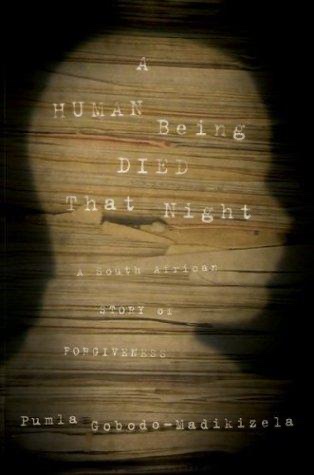
Cover of A Human Being Died That Night

A Human Being Died That Night

Pumla Gobodo-Madikizela

4 ideas

  1. De Kock's trigger hand in prison

    In 1997 at Pretoria Central Prison, Gobodo-Madikizela interviewed Eugene de Kock, the Vlakplaas death-squad commander the press called 'Prime Evil,' who was serving two life sentences plus 212 years. As he described meeting the widows of Black policemen killed in the 1989 Motherwell car bombing, he broke down, and she instinctively touched his trembling hand. At their next meeting he told her, 'That was my trigger hand,' leaving her to face having comforted the hand that killed.

  2. Demonizing perpetrators excuses the system behind them

    Labeling a perpetrator a monster places his acts outside human understanding, which spares the political system, commanders, and ordinary citizens who produced, authorized, and benefited from them. Treating de Kock as a human being who became a killer inside an apartheid security apparatus keeps responsibility on him while exposing the structures that made his violence routine and rewarded.

  3. Forgiveness as the victim's restored power

    When a perpetrator shows genuine remorse, the victim gains a power the perpetrator lacks: the choice to grant or withhold forgiveness. Choosing to forgive does not excuse the crime. It reverses the original power relation and lets the victim reclaim the dignity and agency the violence took. The Motherwell widows who met de Kock and chose to forgive him show this in practice.

  4. Empathy for perpetrators is not endorsement

    Feeling empathy for a perpetrator means understanding his inner experience, including his pain and remorse, without excusing or condoning what he did. Gobodo-Madikizela treats her own compassion for de Kock as dangerous and destabilizing, but necessary. She presents such empathy as opening possibilities for dialogue and transformation that refusing to see the perpetrator as human would close off.

Save and mark ideas in the app