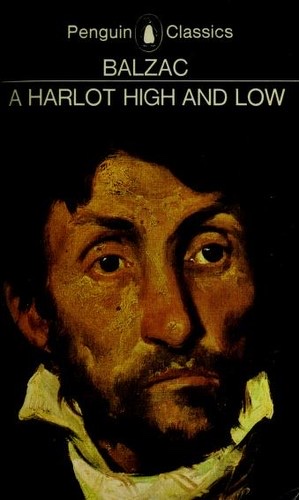
Cover of A Harlot High and Low

A Harlot High and Low

Honoré de Balzac

3 ideas

  1. Vautrin sells Esther to fund Lucien

    The escaped convict Jacques Collin, disguised as the Spanish priest Carlos Herrera, needs about a million francs to buy back the Rubempré estates so his protégé Lucien can marry Clotilde de Grandlieu. He forces Lucien's devoted mistress Esther, a reformed courtesan, to become the kept woman of the infatuated banker Baron Nucingen and skims the banker's payments. Esther gives herself to Nucingen once and then poisons herself, unaware that she has just inherited the seven-million-franc fortune of the usurer Gobseck, which would have made the whole scheme unnecessary.

  2. Justice bends to protect compromised elites

    When Lucien is arrested, the judicial process becomes a negotiation over reputations rather than a search for truth. Duchesses' love letters in Lucien's possession, and the career ambitions of the examining judge Camusot and his wife, decide what the state will pursue. The Prosecutor-General Granville works to bury evidence so that aristocratic scandal never reaches open court. Compromising information functions as a currency that can buy leniency, silence and appointments.

  3. Criminal and police as interchangeable expertise

    The same skills of disguise, surveillance, informant networks and ruthlessness define both master criminals and the secret police, so the two sides mirror each other. Collin's duel with the agents Corentin, Peyrade and Contenson, which leaves Peyrade poisoned, is fought with identical methods on both sides. Collin ends the novel by trading his leverage for the post of chief of the Sûreté, replacing his rival Bibi-Lupin. The state absorbs its most capable enemy rather than destroying him.

Save and mark ideas in the app