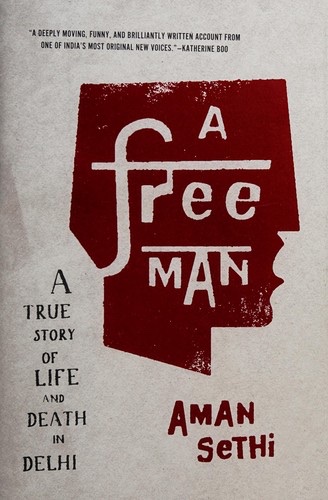
Cover of A Free Man

A Free Man

Aman Sethi

5 ideas

  1. Freedom as chosen absence of obligation

    A drifting labourer can describe himself as free because he has shed family, fixed address, employer, and debt: no one can make claims on him and he makes none. The same detachment that frees him also strips away every safety net, so freedom from obligation and exposure to catastrophe are one condition seen from two sides.

  2. The labour chowk as daily spot market

    At a labour chowk, men gather at dawn and contractors pick workers for a single day's wage, with no contract, record, or continuity. Every transaction resets to zero each morning, so illness, bad weather, or a contractor who refuses to pay converts directly into hunger. The worker's only protections are reputation among contractors and informal networks of fellow labourers.

  3. Survey categories erase drifting lives

    Standard fields like occupation, residence, family, and future plans assume a settled life, so they misrecord people whose work, address, and relationships shift constantly. Understanding such lives requires years of repeated, unstructured time together, letting the subject set the terms and tell stories in his own order rather than answering predefined questions.

  4. Cities are built by those they expel

    Large urban projects depend on armies of homeless day labourers to build stadiums, flyovers, and beautified streets. When the city presents its finished face, the same workers are pushed out: shelters are razed, pavements cleared, police sweeps intensify. Their labour is essential to the city while their presence is treated as a blemish.

  5. Mohammed Ashraf, whitewasher of Bara Tooti Chowk

    Over about five years, journalist Aman Sethi kept returning to Mohammed Ashraf, a hard-drinking safediwallah (whitewasher) who slept rough and sought daily work at Bara Tooti Chowk in Old Delhi's Sadar Bazaar. Ashraf had once studied biology and had drifted through jobs in cities such as Calcutta and Bombay before settling into Delhi's day-labour life.

Save and mark ideas in the app