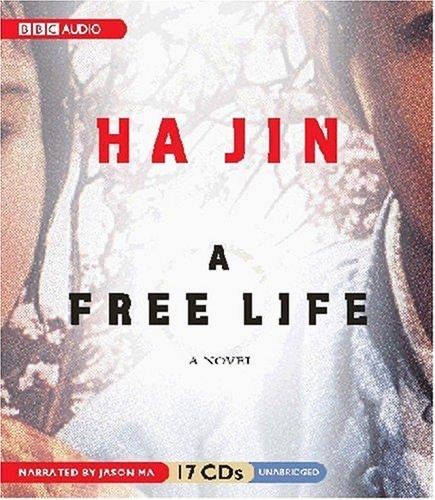
Cover of A Free Life

A Free Life

United States · 1989–2000

3 ideas

Buy on Amazon

After the 1989 Tiananmen crackdown, Nan Wu stays in the United States with his wife, Pingping, and their son, Taotao. As the family works toward a stable life, Nan tries to keep writing poetry in English. Ha Jin follows that effort across years of jobs, family obligations, and adjustment to a new country.

  1. Poet-restaurateur buys freedom with menial labor

    Nan Wu abandons his political science PhD after Tiananmen, works as a night watchman, busboy, and cook in Boston and New York, then moves to the Atlanta suburbs and runs a small Chinese restaurant with his wife Pingping. They buy a house and secure a middle-class life, but the restaurant's constant demands squeeze out his writing. He eventually sells it to commit to poetry in English, trading financial security for vocation.

  2. Nan's struggle to write in English

    Nan chooses to write poetry in English rather than Chinese and struggles with idiom and fluency in his adopted language. The novel ties this choice to his wish for independence from the old nation, while leaving open whether the effort will succeed artistically.

  3. Freedom as burden of self-authorship

    Liberation from an authoritarian state does not deliver a free life but hands the person the harder task of deciding what to live for without prescribed roles. Seen this way, the immigrant's anxieties about money, marriage, and purpose are the real price of freedom, not failures to achieve it.

Save ideas and give them a thumbs up or down in the app