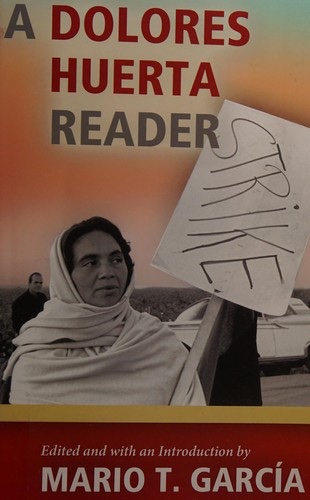
Cover of A Dolores Huerta Reader

A Dolores Huerta Reader

Mario T. García, ed.

10 ideas

  1. The Contract Is Where Victory Happens

    A strike or boycott only creates leverage; the gains become real when they are written into enforceable contract language on wages, hiring, grievances and safety. Huerta's negotiating work shows that the table, not the picket line, decides what workers actually keep, so the negotiator must know the workplace in granular detail.

  2. Union Hiring Hall Replaces Labor Contractor

    UFW contracts replaced the grower-allied labor contractor with a union-run hiring hall that dispatched workers by seniority. Control over who gets hired is control over retaliation, favoritism and kickbacks, so moving hiring into worker hands changes power more than a wage increase does.

  3. House Meetings as Organizing Unit

    Organizing starts in small meetings in workers' homes, where one host invites neighbors and each attendee is asked to host the next meeting. This builds trust through existing relationships, surfaces grievances in people's own words, and grows the network geometrically without needing mass media or public halls.

  4. Taking the Grape Fight to Consumers

    When farm workers had no legal bargaining rights and growers could replace strikers, Huerta coordinated the grape boycott from New York, recruiting unions, churches, students and shoppers to refuse table grapes. Shifting the pressure point from the fields to urban retail made the dispute costly for growers and led to the 1970 table grape contracts.

  5. Exclusion From Labor Law Shapes Tactics

    Because farm workers were excluded from the National Labor Relations Act, they had no guaranteed elections or protection from firing for union activity. That legal gap is why the union relied on boycotts and later lobbied for California's 1975 Agricultural Labor Relations Act; the tactics followed from the missing legal machinery.

  6. Pesticides as a Labor Issue

    Huerta treated pesticide exposure as a workplace-safety and bargaining issue, pushing contract clauses restricting dangerous chemicals like DDT. The environmental harm falls first on the people spraying and picking, so worker health and consumer and ecological health become one campaign.

  7. Sí Se Puede as Organizing Frame

    Huerta coined 'Sí se puede' in 1972 in Arizona in response to people who said organizing there was impossible. The slogan targets fatalism rather than the opponent: it converts a stated reason for inaction into a collective declaration, making belief in the possibility of change itself the first thing organized.

  8. Invisible Labor of Women Leaders

    The reader shows Huerta running negotiations, lobbying and boycott logistics while public credit concentrated on Chávez. Reading movement history through who did the operational work rather than who was the public face reveals how women's leadership gets erased and why she later organized explicitly for women's political representation.

  9. Lobbying Sacramento for Immigrant Benefits

    Before the union, working with the Community Service Organization, Huerta lobbied the California legislature for measures such as public assistance for non-citizen residents and Spanish-language driver's exams. Early legislative wins built her credibility and taught her how political access can be won by people legislators assume have no voice.

  10. Nonviolence as Strategic Discipline

    Huerta defended nonviolence as a tactic that preserves public sympathy and moral legitimacy even when organizers face violence. Her 1988 beating by San Francisco police at a peaceful protest, which led to reforms in crowd-control policy, shows how violence absorbed by nonviolent actors can shift institutional practice.

Save and mark ideas in the app