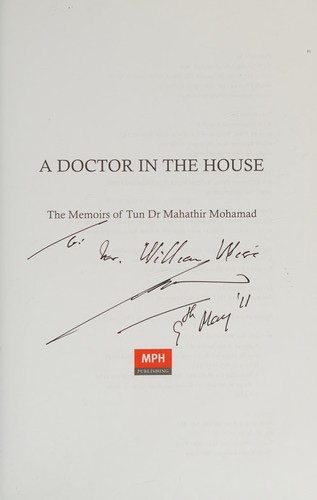
Cover of A Doctor in the House

A Doctor in the House

Mahathir Mohamad

3 ideas

  1. Governing as clinical diagnosis and treatment

    Mahathir frames politics through his medical training: identify the underlying disease rather than the presenting symptom, prescribe a treatment, and accept that effective remedies can be unpleasant for the patient. He uses this lens to justify blunt, unpopular interventions. Like a clinician, he also describes testing his diagnoses and correcting course when a treatment was not working.

  2. Affirmative action fails without cultural change

    The book defends the New Economic Policy's preferences for Malays as necessary to correct colonial-era economic imbalances between ethnic groups. Mahathir argues that quotas and subsidies alone produce a crutch mentality in their recipients. Without a change in values toward work ethic, discipline and self-reliance, preferential policies entrench dependency instead of closing the gap.

  3. Look East: borrowing work culture, not institutions

    Mahathir's Look East Policy directed Malaysia to emulate Japan and South Korea rather than the former colonial West. The target was transferable habits such as work discipline, loyalty to the enterprise, and state–industry cooperation. The framework treats national development as importing the behaviors of a successful late-developing peer rather than copying the political and legal models of former colonizers.

Save and mark ideas in the app