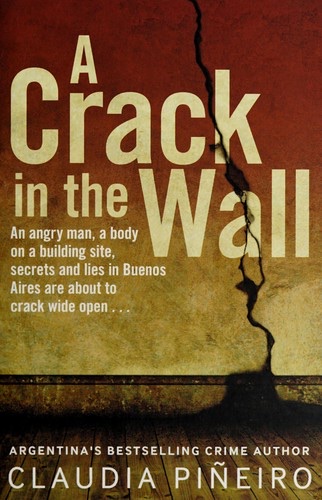
Cover of A Crack in the Wall

A Crack in the Wall

Claudia Piñeiro

3 ideas

  1. The crack as visible symptom of hidden rot

    A small, mundane defect, the crack in a neighbor's wall, is the first visible sign that something structural is wrong. It is the complaint that triggers the violence, and afterward the crack becomes the persistent evidence the conspirators cannot fully seal. Fractures in material things mirror fractures in conscience, marriage and professional integrity that everyone has learned to plaster over.

  2. Complicity turns ordinary people into prisoners

    The novel argues that taking part in a cover-up does not end with the act. It binds participants into a permanent silent pact that reshapes their loyalties, their relationships and their sense of self. Pablo's guilt shows up not as punishment from outside but as a slow hollowing of his marriage, his work and his ambitions.

  3. Midlife disillusionment as moral vulnerability

    Pablo is a mid-career architect who draws an idealized building he will never build while doing unremarkable work in a stale marriage. Seen through this lens, moral compromise comes less from greed than from resignation: a person who has stopped expecting his life to matter will go along with a crime and later seize on danger or desire as an escape. His apathy explains both his original complicity and his later recklessness.

Save and mark ideas in the app