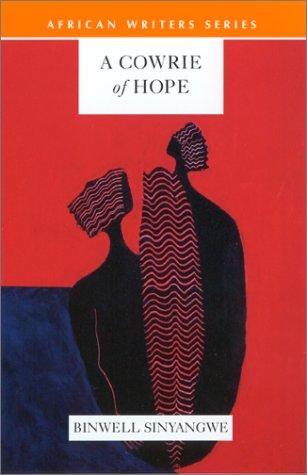
Cover of A Cowrie of Hope

A Cowrie of Hope

Zambia. Binwell Sinyangwe

4 ideas

  1. A widow carries beans to Lusaka

    Nasula, a destitute rural Zambian widow, has one asset left: a bag of beans. Her daughter Sula has won a place at secondary school, so Nasula travels to Lusaka to sell the beans for the fees. In the city a trickster steals the bag, and she has to fight her way through an indifferent urban system to recover it before Sula's schooling can go ahead.

  2. Fees turn survival goods into tuition

    When structural adjustment shifts education costs onto households, the poorest families pay fees by selling the food and goods they need to survive. Education becomes both the only exit from poverty and a cost that deepens it. So access to school depends on whether a family can bear a single, unrepeatable sacrifice.

  3. Widowhood as dispossession through kin

    When a husband dies, his relatives can claim the household's property under custom. This strips the widow of her economic base at the moment she becomes sole provider. Her poverty is produced socially by the claims of kin, not only by losing an earner.

  4. Hope held in one fragile object

    In extreme poverty, a family's whole future can sit in a single object, here a bag of beans and the daughter it is meant to educate. This concentration makes every theft, cheat or delay catastrophic rather than a setback. It also explains why the poor persist to lengths that look irrational from outside: there is no second attempt.

Save and mark ideas in the app