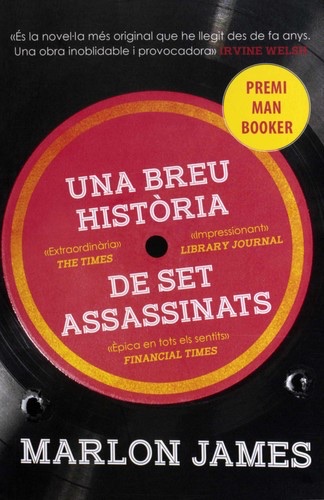
Cover of A Brief History of Seven Killings

A Brief History of Seven Killings

Marlon James

4 ideas

  1. The 1976 shooting of the Singer

    On December 3, 1976, two days before the Smile Jamaica peace concert, gunmen from the Kingston ghettos stormed the Singer's house at 56 Hope Road and shot him, his manager and his wife. The Singer survived and played the concert anyway. The novel follows the shooters, who were armed and protected by party politicians and dons, possibly with CIA backing, as they are hunted down and killed one by one. The survivors' networks then reappear as the posses supplying the 1980s New York crack trade.

  2. Garrison politics: parties arming ghetto gangs

    In 1970s Kingston, the two political parties each armed and funded a gang in a loyal 'garrison' neighborhood. The gang delivered votes and violence, and in return got guns, housing and protection. Once guns and patronage flow downward, the dons they empower outgrow their sponsors and turn the political machine into an independent criminal economy.

  3. Polyphony as the anatomy of violence

    This shows that no single witness holds the truth of political violence. Each speaker sees only the part their position allows, so the full mechanism appears only when perspectives from every level of power are set against each other.

  4. Cold War violence migrates through diaspora

    Violence seeded by superpower meddling in a small country does not stay local. The Kingston gang structures built in the Cold War contest over Jamaica's socialist-leaning government followed their members to Miami and New York. There they became transnational drug posses, so the ghetto gunman of 1976 becomes the crack-wars enforcer of 1985.

Save and mark ideas in the app