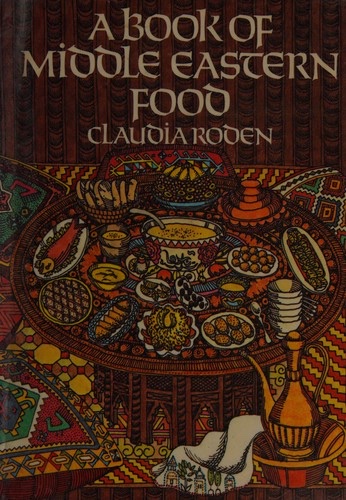
Cover of A Book of Middle Eastern Food

A Book of Middle Eastern Food

Claudia Roden

3 ideas

  1. Recording recipes of a dispersed community

    Roden collected recipes from Egyptian Jews and other Middle Eastern émigrés because their dispersal had disrupted the everyday ways dishes were passed between cooks and generations, putting that knowledge at risk of being lost. Writing the recipes down, together with the stories around them, was her way of preserving a culinary heritage that might otherwise have faded along with the community that made it.

  2. Food as carrier of social memory

    Roden presents recipes alongside the proverbs, folk tales, religious customs and hospitality rules that surround them, treating a dish as a vessel for identity rather than a set of instructions. Seen this way, a stuffed vegetable or a festival sweet encodes who a family was, where it came from, and how it marked time through feasts and fasts. Cooking the dish re-enacts that belonging even after the place and people are gone.

  3. Shared regional cuisine across national borders

    The Middle East forms a single culinary family: shared dishes such as kibbeh, dolma, pilaf and filo pastries recur from Iran to Morocco with local variations. These variations follow old trade routes, Ottoman and Persian influence, and the movement of religious minorities, not modern state borders. Tracing one dish across the region shows how conquest, commerce and migration layered influences into what each group now calls its own tradition.

Save and mark ideas in the app