The Fed's 2020 pandemic response
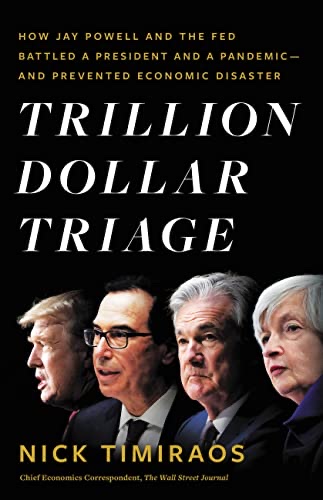
Timiraos narrates how Jerome Powell and the Federal Reserve took emergency action during the COVID market crash. The account follows the frantic decisions made to prevent economic collapse.
8 ideas
Timiraos narrates how Jerome Powell and the Federal Reserve took emergency action during the COVID market crash. The account follows the frantic decisions made to prevent economic collapse.
The Fed backstopped markets far beyond prior crises, extending support to corporate bonds, municipal debt, and Main Street lending. Keeping credit flowing meant intervening in areas central banks had long avoided.
The book details tension between Powell and President Trump over interest-rate policy and the Fed's autonomy. It shows how the institution defended its independence during a political and economic storm.
Decisive, unprecedented intervention prevented a financial meltdown, though it raised concerns about moral hazard and inequality. The rescue's success came bundled with lasting side effects.
The Fed can lend in emergencies but by law cannot take losses on credit risk, so its broadest facilities needed Treasury equity from the CARES Act to absorb possible losses. This split made the Treasury Secretary and Congress co-decision-makers on how far the rescue reached. Legal limits on who may bear losses decide which parts of the economy can be saved and how quickly.
In mid-March 2020, the market for US Treasury securities, normally the deepest and safest in the world, stopped working as investors rushed to sell everything for cash in a 'dash for cash'. Dealers' balance sheets could not absorb the selling, and yields rose even as stocks fell.
Powell's Fed treated the slow post-2008 recovery and years of below-target inflation as the main danger, and adopted a framework in August 2020 built to allow inflation to overshoot. That caution against moving too early left the Fed slow to respond when supply shocks and fiscal stimulus drove inflation up in 2021. Institutions set their rules around the failure they remember most vividly, so they tend to miss a threat of the opposite kind.
When the Fed announced on March 23, 2020 that it would buy corporate bonds, and later expanded the plan on April 9, credit markets reopened and companies issued record amounts of debt before the Fed had bought almost anything. A credible promise to act as buyer of last resort removes investors' fear of fire sales, so private buyers come back on their own. The backstop works mostly as a signal, and its value comes from its size and credibility rather than the dollars it actually spends.