Self-compassion is a practice, not a feeling
Bodhipaksa treats kindness toward oneself as a skill trained through repeated intention, not a mood that arrives. Meeting one's own pain with warmth is something one deliberately does again and again.
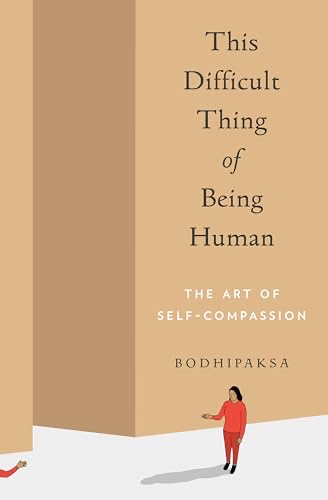
6 ideas
Bodhipaksa treats kindness toward oneself as a skill trained through repeated intention, not a mood that arrives. Meeting one's own pain with warmth is something one deliberately does again and again.
He reframes difficulty as part of the common human condition rather than evidence of individual defect. Recognizing shared struggle loosens the self-blame that compounds pain.
The method is to notice difficult emotions mindfully instead of suppressing or being consumed by them. By observing feelings with acceptance, their grip loosens and space for response opens.
Bodhipaksa distinguishes the harsh self-judging voice from one's deeper being, so it can be heard without obeying. Disidentifying from the critic reduces its authority over behavior.
The title's stance normalizes that a human life will involve confusion, loss, and struggle by design. Accepting difficulty as intrinsic replaces the expectation that a good life should be easy.
He argues that treating oneself kindly, contrary to fear, motivates growth better than harsh self-criticism. Safety and warmth create the conditions in which people actually improve.