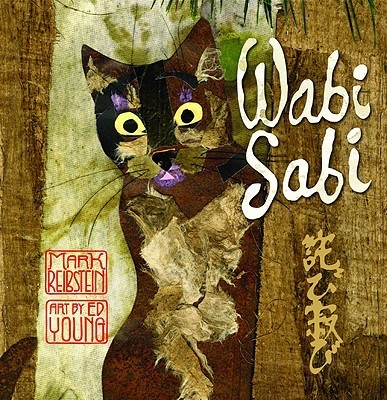
Cover of The Wabi-Sabi Way

The Wabi-Sabi Way

Mark Reibstein

6 ideas

  1. Beauty Located in Imperfection Itself

    Wabi-sabi defines beauty not as the perfect, symmetrical, or polished, but as the flawed, asymmetrical, and incomplete. The crack, the chip, and the irregularity are not defects to be hidden but the precise locations where beauty resides.

  2. Impermanence Increases Rather Than Diminishes Value

    Because all things are temporary and decaying, their value is heightened, not lessened, by their transience. A cherry blossom is precious specifically because it falls quickly, and the awareness that nothing lasts makes the present moment more vivid.

  3. Seeing Age and Wear as Accumulated Meaning

    Objects that show age — worn wood, faded fabric, weathered stone — carry the visible record of time and use, which reads as depth rather than damage. Viewing the world this way reframes the marks of aging on objects, places, and people as evidence of a life lived rather than loss.

  4. Subtracting Toward Simplicity and Emptiness

    Rather than adding ornament or abundance, wabi-sabi works by removal — paring away the unnecessary until only the essential remains. Empty space, silence, and restraint become active elements that allow what is present to be fully experienced.

  5. Modesty and Humility as Aesthetic Stance

    Wabi-sabi favors the humble, the unassuming, and the quiet over the grand, expensive, or showy. A rough handmade bowl carries more value than a flawless manufactured one because it is unpretentious and intimate in scale.

  6. Attention Is the Practice That Reveals Beauty

    Wabi-sabi beauty is not loud or obvious; it must be noticed through slow, deliberate attention to small and ordinary things. The discipline of pausing and looking carefully is what makes overlooked details — a shadow, a texture, a fading color — visible at all.

Save and mark ideas in the app