Design shapes wellbeing, not just looks
Kurani argues built environments actively influence health, learning, and behavior. Poor design therefore carries measurable human costs, not merely aesthetic ones.
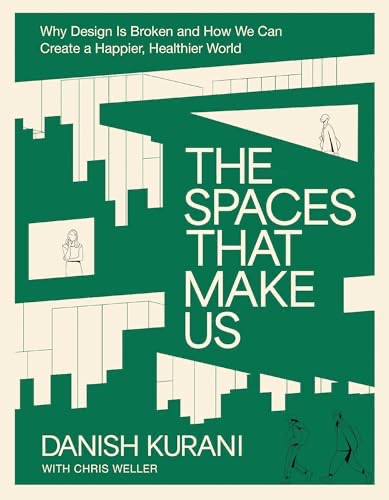
6 ideas
Kurani argues built environments actively influence health, learning, and behavior. Poor design therefore carries measurable human costs, not merely aesthetic ones.
Schools, offices, and homes are framed as tools that enable or obstruct the activities and connections people need. Rooms quietly script what their occupants can do.
He advocates starting from desired outcomes such as belonging, focus, and health rather than from style or convention. Purpose, not appearance, drives the design brief.
The book contends standard institutional design ignores its occupants, producing anxiety, isolation, and disengagement. Familiar environments quietly work against the people inside them.
Drawing on his projects across continents, Kurani shows how redesigned rooms change how people feel and act. Concrete cases demonstrate the abstract claim about space.
He offers a way to read a space's failures against its intended human purpose, then reshape it around that purpose. The method pairs critique with a corrective redesign.