Creativity defines the human species
Wilson argues creativity, the innate drive to originate, is the unique and defining trait of Homo sapiens. He roots it in evolutionary history rather than treating it as a mystical or purely cultural gift.
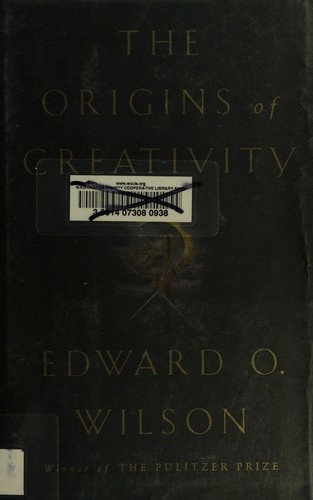
6 ideas
Wilson argues creativity, the innate drive to originate, is the unique and defining trait of Homo sapiens. He roots it in evolutionary history rather than treating it as a mystical or purely cultural gift.
He locates the deep origin of creativity in the emergence of language, which let humans combine symbols to imagine what is not present. Metaphor and narrative became engines for generating limitless new mental worlds.
Wilson calls for uniting the sciences and humanities into a single explanatory framework he names consilience. He claims the humanities can only mature by grounding themselves in the biology and evolution of the mind.
He faults the humanities for confining themselves to human sensory experience and ignoring the vast reality outside our narrow perception. Broadening art and thought to include what science reveals would enrich them.
Wilson holds that aesthetic preferences, such as attraction to certain landscapes, were shaped by natural selection in prehistory. Culture and genes evolved together, so art carries the fingerprints of survival needs.
He reads modern arts as descendants of Paleolithic practices, tracing music, dance, and painting to campfire and cave. Understanding art's deep past reframes it as a continuous biological inheritance.