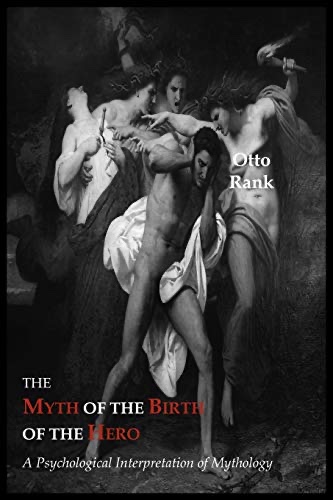
Cover of The Myth of the Birth of the Hero: A Psychological Interpretation of Mythology

The Myth of the Birth of the Hero: A Psychological Interpretation of Mythology

Otto Rank

6 ideas

  1. The standard saga of the hero's birth

    Rank abstracts a common pattern across Sargon, Moses, Oedipus, and others: noble birth, a prophecy of danger, exposure or abandonment, rescue by humble people, and eventual return to greatness. The recurrence across cultures demands a psychological, not historical, explanation.

  2. The family romance projected onto myth

    He reads the myth as a dramatization of the child's 'family romance,' the fantasy that one's real parents are exalted and the actual parents are lowly substitutes. The myth externalizes a universal stage of childhood imagination.

  3. The hero is the rebelling child

    The exposure and the hero's later triumph encode the child's hostility toward the father and the wish to surpass him. The myth is Oedipal conflict retold as heroic biography.

  4. Myth as collective daydream

    Rank treats myths as the daydreams of nations, subject to the same distortions and wish-fulfillment as individual dreams and neurotic fantasies. Mythology thus becomes readable by the same interpretive tools as the psyche.

  5. Two parents split from one ambivalence

    He argues the myth's split between exalted true parents and lowly foster parents projects the child's ambivalent feelings toward a single set of real parents. Idealization and resentment are divided onto two pairs.

  6. Psychology unifies scattered myths

    Rank's larger claim is that shared unconscious dynamics, not diffusion or coincidence, explain why distant cultures invent the same hero story. Depth psychology supplies the common cause comparative mythology lacked.

Save and mark ideas in the app