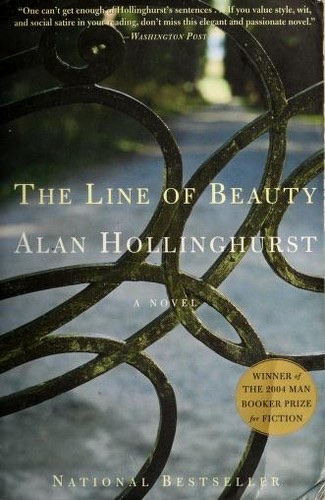
Cover of The Line of Beauty

The Line of Beauty

Alan Hollinghurst

4 ideas

  1. The Ogee Curve as Aesthetic Ideal

    Hogarth's double-curving 'line of beauty' — the S-shaped ogee that flows in two opposed directions before resolving — becomes a template for desire itself, found in the curve of a back, a banister, or a moment of seduction. The ideal form is never a single arc but a tension between opposing motions, making beauty inseparable from instability and the threat of collapse.

  2. The Guest Who Mistakes Tolerance for Belonging

    An outsider admitted into a wealthy or powerful household interprets the host's courtesy and convenience as genuine acceptance, not noticing that his welcome is contingent on his usefulness and discretion. His presence is permitted only as long as it costs nothing and embarrasses no one; the moment he becomes a liability, the warmth evaporates and reveals itself as never having been intimacy at all.

  3. Privilege Aestheticizes What It Refuses to Confront

    The ruling class converts politics, money, and even human suffering into matters of taste, manners, and beautiful surfaces, treating the unpleasant as merely vulgar rather than morally serious. This aestheticizing impulse is itself a mechanism of power: by making everything a question of style, it renders structural cruelty invisible and unspeakable.

  4. Thatcher Dancing at the Party

    At the height of his social ascent, the protagonist dances with the Prime Minister at a lavish party — a moment of total arrival that is also entirely hollow, performed for others and devoid of real connection. The peak of insider status coincides with maximum self-alienation, showing that proximity to power confers spectacle rather than security or genuine recognition.

Save and mark ideas in the app