Margin of safety
Buy only when price sits well below a conservatively estimated intrinsic value. The discount absorbs errors and bad luck rather than the investor's capital.
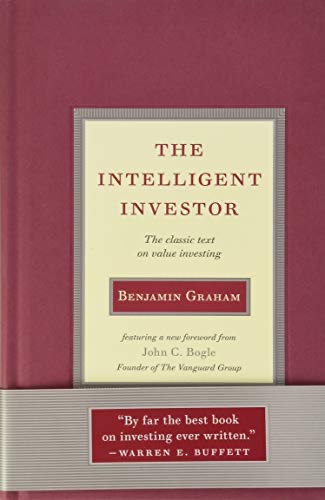
6 ideas
Buy only when price sits well below a conservatively estimated intrinsic value. The discount absorbs errors and bad luck rather than the investor's capital.
Graham separates two valid strategies: a low-effort diversified defensive approach and an active enterprising one. He warns against half-measures that get the worst of both.
Market price and underlying business value diverge constantly. The investor's job is to exploit the gap, not to forecast price movements.
Graham argues success depends more on emotional discipline and a sound framework than on high IQ or forecasting skill. The main adversary is the investor himself.
An operation counts as an investment only if thorough analysis supports it, it promises safety of principal, and it offers an adequate return. Anything that fails these three tests is speculation, whatever the asset is. Speculation is not forbidden, but disguising it as investment is the core error, so speculative money should be kept separate and limited.
Picture the market as a partner who shows up every day offering to buy your share or sell you his, at prices that swing with his moods rather than with the business's value. His quotes are information you may use, not instructions you must follow. You profit by trading with him when he is extreme and ignoring him otherwise. Treating price fluctuations as another person's emotional offers turns volatility from a threat into an opportunity.