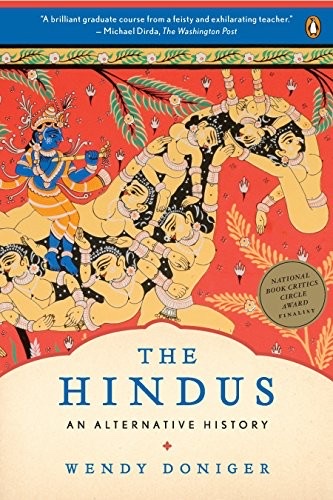
Cover of The Hindus: An Alternative History

The Hindus: An Alternative History

Wendy Doniger

6 ideas

  1. History from the margins, not the center

    Religious history can be told from the perspective of the excluded — women, lower castes, animals, and outsiders — rather than the Brahmin male elites who produced most surviving texts. Shifting the vantage point reveals voices and practices that the canonical narrative erases, changing which events count as significant.

  2. Hinduism is plural, not monolithic

    There is no single 'Hinduism' but a sprawling, contradictory family of traditions that argued with and absorbed one another over millennia. Treating it as one coherent doctrine misrepresents a tradition whose internal diversity and self-contestation are its defining features.

  3. Texts as records of dissent, not consensus

    Sacred texts often prohibit or condemn precisely the practices that were widespread, so a rule against something is evidence the behavior was common. Reading prescriptive literature as descriptive of an ideal — and its opposite as the lived reality — recovers what people actually did.

  4. Reading myth as cultural argument

    Myths are not naive beliefs but coded debates in which a culture works through its anxieties about sex, death, caste, and power. Variant retellings of the same story function as competing positions, so tracking how a myth mutates exposes shifting social tensions.

  5. Outsiders shaped what looks indigenous

    Practices later treated as purely native — and defended as such — were frequently formed through contact, borrowing, and conflict with Greeks, Muslims, and other foreigners. Cultural identity that claims ancient purity is usually a product of cross-pollination it later disavows.

  6. Animals as moral and theological actors

    In many Hindu narratives, horses, dogs, and other animals carry serious religious meaning and even ethical agency rather than serving as mere symbols. Taking these creatures seriously as participants reframes the tradition's boundaries of personhood and the sacred.

Save and mark ideas in the app