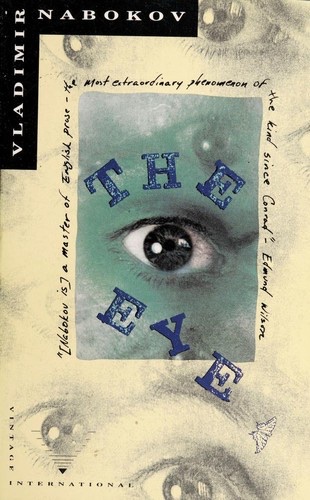
Cover of The Eye

The Eye

Vladimir Nabokov

4 ideas

  1. The Self as External Observer After Trauma

    Following a humiliation severe enough to feel like death, consciousness can split so that the self stops experiencing life directly and instead watches itself as if it were another person. This produces the illusion that one has ceased to exist as an agent and survives only as a recording eye, registering the world without participating in it.

  2. Identity Is Assembled From Others' Reflections

    A person has no fixed self; they exist only as the sum of contradictory images held by everyone who perceives them. Since each observer constructs a different version, the 'real' individual is unreachable — there are only the scattered mirrors, none of which can be reconciled into a single coherent person.

  3. Investigating Oneself as a Stranger

    By treating one's own identity as a mystery to be solved through eavesdropping and gathering others' opinions, a person can pursue self-knowledge while remaining emotionally detached from the findings. This investigative stance reveals how little of what others believe about us corresponds to our inner experience.

  4. The Suicide That Changes Nothing

    After shooting himself to escape unbearable shame, the narrator finds that the world continues exactly as before and he keeps perceiving it — leading him to conclude the act failed or that death is merely continued imagination. The episode dramatizes how a person can use a fiction of non-existence to evade responsibility for an ongoing, unbearable self.

Save and mark ideas in the app