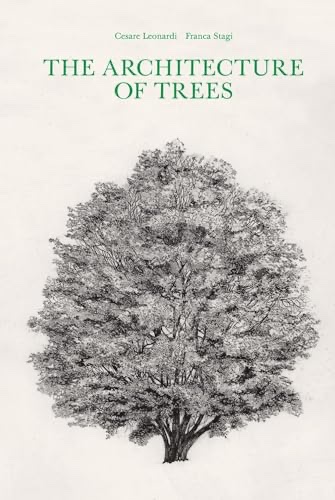
Cover of The Architecture of Trees

The Architecture of Trees

Cesare Leonardi and Franca Stagi

3 ideas

  1. Shadow Projection as Branch Documentation

    Drawing a tree's cast shadow as a flat silhouette beneath its canopy records the full branching structure projected onto a single plane, capturing density and spread that perspective views obscure. The shadow becomes a measurable diagram of the crown's architecture rather than a decorative effect.

  2. Species-Specific Branching Signatures

    Each tree species follows a consistent geometric logic in how it divides and angles its branches, producing a recognizable structural signature independent of any individual specimen's size or age. This means a species can be identified by the rules of its branching pattern alone, abstracted from leaves, bark, or color.

  3. Winter Bare Form as True Architecture

    Stripping a tree of its foliage reveals its skeletal structure as the honest record of its growth decisions, since the leaf canopy hides the load-bearing logic that determines the whole form. Viewing trees in their leafless state treats structure, not appearance, as the primary object of study.

Save and mark ideas in the app