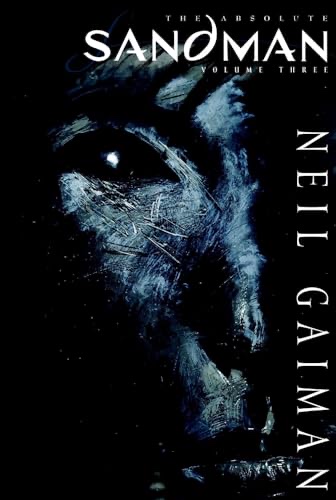
Cover of The Absolute Sandman, Vol. III

The Absolute Sandman, Vol. III

Neil Gaiman

4 ideas

  1. Endless personifications are bound by their function

    Anthropomorphic embodiments of universal forces cannot violate the role they incarnate without ceasing to exist — Dream cannot betray a guest, abandon his responsibilities, or change his nature without paying a terminal price. The being that defines a concept is more constrained by it than any mortal subject of that concept.

  2. Change as the only escape from a fixed nature

    An entity too rigid to adapt can only resolve an impossible contradiction by allowing itself to be remade into a different version of the same function. Death of the self becomes a mechanism for the role to continue while the trapped individual is released.

  3. Stories as autonomous, consequential forces

    Narratives are treated not as passive accounts but as active agents that exert pressure on reality — a tale, once told or believed, demands completion and reshapes the world to satisfy its internal logic. Looking at events as stories trying to finish themselves reveals causality invisible to a purely material reading.

  4. Shakespeare's bargain to write enduring drama

    A mediocre playwright trades the obligation to write two plays for the gift of genius, only to discover the gift costs him intimacy with his own son and a normal life. The exchange shows that the capacity to create lasting work is purchased with a withdrawal from lived experience.

Save and mark ideas in the app