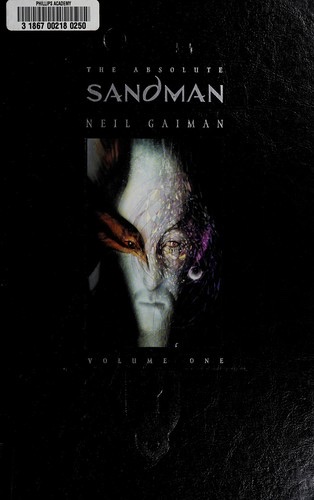
Cover of The Absolute Sandman, Vol. I

The Absolute Sandman, Vol. I

Neil Gaiman

4 ideas

  1. The Anthropomorphic Personification of Function

    Abstract forces like Dream, Death, and Desire are rendered as embodied persons whose appearance, mood, and behavior are determined by the universal function they perform rather than by individual psychology. This makes an invisible structural role legible by giving it a face, a domain, and consistent rules of conduct it cannot violate without ceasing to be itself.

  2. Rules Bind the Powerful Most Tightly

    The more cosmically powerful an entity is, the more rigidly it is constrained by the rules of its own role and by promises made — power and obligation scale together rather than inversely. A being who governs dreams is less free to act on whim than a mortal, because its identity is its function and breaking the rule unmakes it.

  3. Hob Gadling's Bargain With Death's Refusal

    A man overheard saying he simply chooses not to die is granted immortality, and across centuries he meets Dream once every hundred years to report whether life is still worth living. Through plague, wealth, ruin, and grief he keeps choosing to continue, demonstrating that the value of life is reaffirmed by repeated choice rather than settled once.

  4. Stories As Materially Real Realms

    Treating dreams, fictions, and myths as actual territories with geography, inhabitants, and consequences means narrative is not decoration on reality but a layer of it that can be entered, damaged, and repaired. Viewing imagination this way reframes neglect of stories as the literal collapse of a place that real beings depend upon.

Save and mark ideas in the app