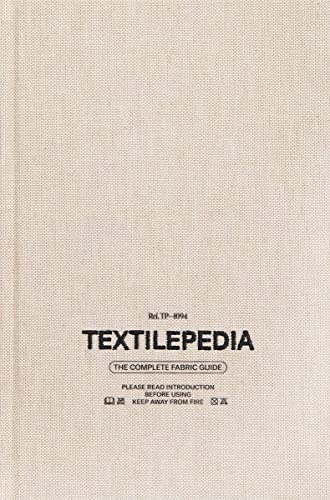
Cover of Textilepedia

Textilepedia

Fashionary

3 ideas

  1. Yarn Count Inversely Maps to Fineness

    In indirect counting systems like cotton count (Ne), the number expresses how many length units of yarn equal a fixed weight, so a higher count means a thinner, finer yarn. This inverse relationship lets you predict fabric weight and hand-feel from a single number before ever touching the material.

  2. Weave Structure Determines Fabric Behavior

    The three base weaves — plain, twill, and satin — differ in how often warp and weft threads interlace, and that interlacing frequency directly controls drape, durability, and surface sheen. Fewer interlacings (satin) yield smoother, more lustrous, more fragile cloth, while frequent interlacings (plain) produce stronger but stiffer fabric.

  3. Fiber Origin Predicts Performance Tradeoffs

    Classifying a textile first by whether its fiber is natural (cotton, wool, silk) or synthetic (polyester, nylon) reveals predictable tradeoffs: natural fibers tend toward breathability and biodegradability but wrinkle and shrink, while synthetics offer durability and shape retention at the cost of moisture handling. Reading any fabric through its fiber source lets you anticipate care, comfort, and lifespan before testing.

Save and mark ideas in the app