A single commodity reshaped the world
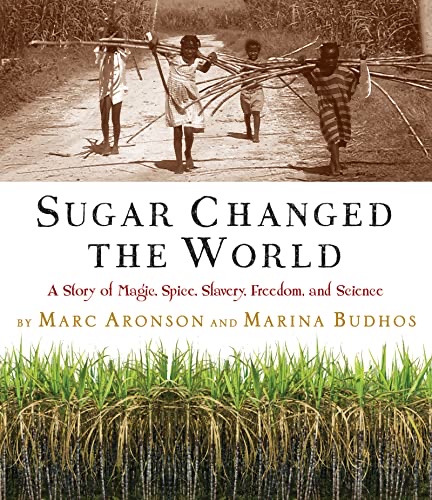
The authors argue that the human craving for sugar drove empire, plantation economies, and mass migration on a planetary scale. Following one substance exposes the hidden architecture of modern history.
4 ideas
The authors argue that the human craving for sugar drove empire, plantation economies, and mass migration on a planetary scale. Following one substance exposes the hidden architecture of modern history.
Sugar's labor intensity created the brutal plantation system and the transatlantic slave trade that supplied it. Sweetness for European tables was paid for by enslaved lives in the Caribbean.
The authors, of Jewish and Indian descent, trace their own ancestors through the sugar-driven movements of indentured and enslaved peoples. Personal genealogy grounds the abstract trade in specific lives.
They connect the sugar economy to Enlightenment debates, abolition, and the very language of freedom and rights. The fight over who profits from sugar becomes a fight over human liberty.