The romantic author shapes IP law
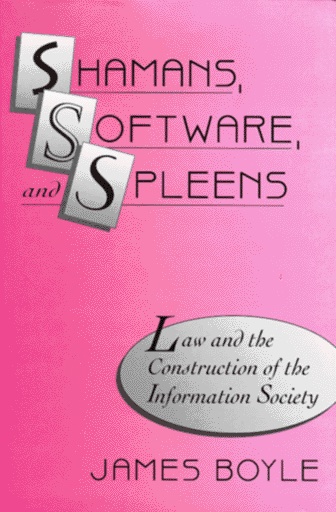
Boyle argues intellectual property law leans on the ideal of the original, transformative author as the source of value. This construct rewards composers and inventors while ignoring the sources they draw on.
6 ideas
Boyle argues intellectual property law leans on the ideal of the original, transformative author as the source of value. This construct rewards composers and inventors while ignoring the sources they draw on.
The information society makes control over information the key economic and legal battleground, from genes to software to data. Old property categories strain to fit intangible information.
John Moore's cancerous spleen cells were patented without his consent, yet courts denied him property in his own tissue. The case exposes who gets ownership when value is extracted from a person.
Legal reward flows to those framed as transformative authors, not to the sources whose raw material they use. The asymmetry recurs across genetics, indigenous knowledge, and blackmail law.
Boyle calls for a coalition politics to defend the public domain, analogous to environmentalism defending the commons. Without it, enclosure of information proceeds by default.
Deciding what counts as raw public material versus privately added value requires a baseline the law never neutrally supplies. Every IP allocation smuggles in a contestable starting point.