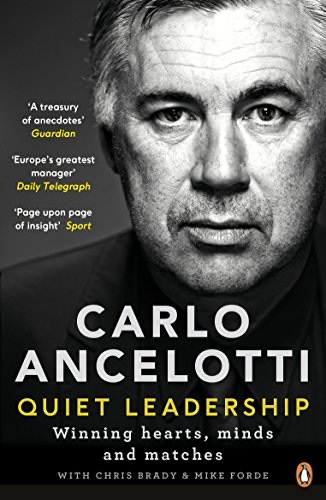
Cover of Quiet Leadership

Quiet Leadership

Carlo Ancelotti

5 ideas

  1. Authority Through Relationships, Not Fear

    A leader earns lasting control by building personal trust with each individual rather than imposing discipline through intimidation or public confrontation. Difficult conversations happen privately and respectfully, which preserves the player's dignity and secures their loyalty rather than their resentment.

  2. Adapt the System to the Players

    Rather than forcing a fixed tactical philosophy onto a squad, the leader diagnoses the specific talents already present and designs the structure around them. The strongest available abilities dictate the formation and style, meaning the same manager will operate completely differently depending on who he inherits.

  3. Managing Upward to Protect the Team

    A leader's job includes absorbing pressure from owners and executives so it never reaches the people doing the work. By acting as a buffer between ownership demands and the dressing room, the manager keeps the team's environment stable even when those above are volatile or impatient.

  4. Calm As Active Signal, Not Passivity

    Visible composure during crisis is a deliberate leadership instrument, because emotions transmit downward through a group faster than instructions do. When the leader stays measured under stress, the team reads it as control and stabilizes; panic at the top multiplies into panic throughout.

  5. Milan's Istanbul Collapse and Athens Redemption

    In the 2005 Champions League final in Istanbul, Ancelotti's AC Milan led Liverpool 3-0 at half-time, conceded three goals in about six minutes after the break, and lost on penalties. Ancelotti kept the core of that squad together instead of dismantling it, and two years later, in the 2007 final in Athens, the same Milan side beat Liverpool 2-1 to win the trophy.

Save and mark ideas in the app