Pyrrhonism as therapeutic skepticism
Pyrrho's skepticism suspends judgment on all non-evident claims to reach tranquility (ataraxia). Doubt is not an end but a practice aimed at psychological peace.
4th century BCE – 2nd century BCE
6 ideas
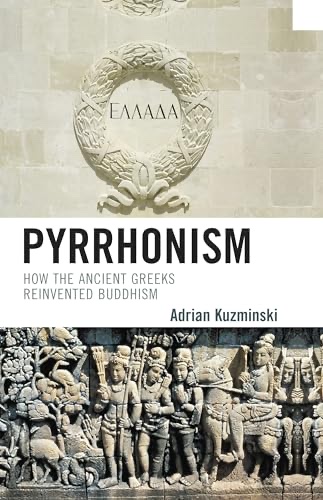
Buy on AmazonKuzminski argues that Greek Pyrrhonian skepticism parallels and likely descends from Buddhist non-attachment, and presents suspension of judgment as a path to tranquility.
Pyrrho's skepticism suspends judgment on all non-evident claims to reach tranquility (ataraxia). Doubt is not an end but a practice aimed at psychological peace.
Kuzminski argues Pyrrho absorbed ideas from Indian ascetics encountered on Alexander's campaign. Pyrrhonism is thus a Western counterpart to Buddhist non-attachment.
Facing opposed arguments of equal force, the skeptic withholds assent, neither affirming nor denying. This equipollence dissolves the disturbance caused by dogmatic belief.
Pyrrhonists act on how things appear while suspending belief about their hidden nature. One can function among phenomena without asserting metaphysical truths.
Philosophy is reframed as a path to freedom from anxiety rather than a system of truths. Liberation comes from releasing the compulsion to hold firm beliefs.
Both traditions locate distress in clinging to fixed views about good and bad. Withdrawing that clinging, not acquiring correct doctrine, ends the disturbance.