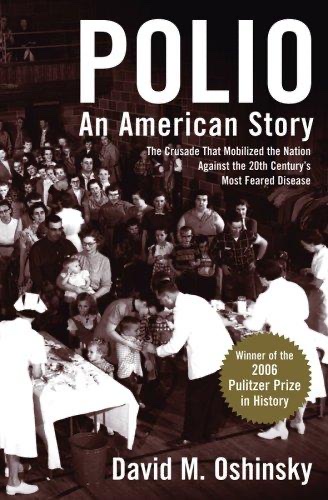
Cover of Polio: An American Story

Polio: An American Story

David Oshinsky

4 ideas

  1. Disease Fear Outpaces Actual Statistical Risk

    Polio killed and crippled far fewer Americans than diseases like influenza or tuberculosis, yet generated disproportionate public terror because it struck children unpredictably during summer and left visible, permanent disability. Public health priorities are driven by the emotional shape of a threat — its randomness, its victims, its visibility — rather than by raw mortality numbers.

  2. The March of Dimes Mass Funding Model

    Rather than rely on a few wealthy donors, the National Foundation for Infantile Paralysis raised research money by soliciting tiny contributions from millions of ordinary citizens, turning small individual gifts into a massive aggregate fund. This made donors feel personally invested in a cause and gave the organization independence from government and industry funding.

  3. The Salk-Sabin Rivalry Over Vaccine Type

    Jonas Salk's killed-virus injectable vaccine and Albert Sabin's live-virus oral vaccine competed bitterly, with each scientist convinced the other's approach was dangerous or inferior. The dispute showed how personal ambition, professional jealousy, and genuine scientific disagreement can become inseparable, slowing consensus even when both solutions work.

  4. Celebrity and Patient Make Cause Visible

    Franklin Roosevelt's status as a polio survivor and president gave the disease a powerful public face, transforming an abstract medical problem into a personal, relatable cause. A movement attaches itself to a recognizable human symbol because identifiable individuals mobilize sympathy and action in ways that statistics never can.

Save and mark ideas in the app