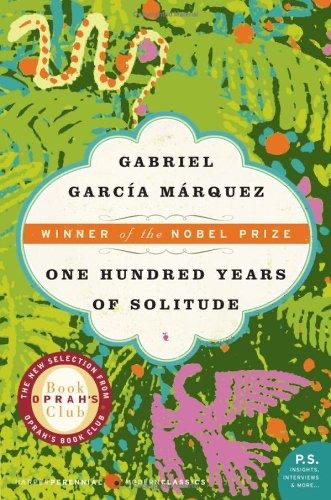
Cover of One Hundred Years of Solitude

One Hundred Years of Solitude

Gabriel García Márquez

6 ideas

  1. Solitude as Inherited Family Pathology

    Emotional isolation is transmitted across generations like a hereditary trait, with each family member retreating into private obsessions — war, sex, alchemy, scholarship — that block genuine connection. The repetition of names and temperaments across generations shows that the same incapacity for love recurs regardless of individual will, suggesting solitude is structural rather than chosen.

  2. The Forgetting That Erases History

    When a community loses its collective memory — as Macondo does during the insomnia plague and after the banana massacre — events that actually happened can be officially denied and effectively unmade. Power maintains itself by controlling what is remembered, so that atrocity survives only in the testimony of those branded as mad.

  3. Official denial can erase a documented massacre

    After soldiers machine-gun striking banana workers at the station and the bodies are carried off by train to the sea, the government, the company and eventually the townspeople insist nothing happened and no one died. The lone survivor, José Arcadio Segundo, is treated as deluded for remembering. The novel's claim is that when those with power repeat a version often enough and remove the evidence, forgetting becomes the consensus, and the witness, not the lie, looks mad.

  4. Treat marvels as mundane and mundane as marvels

    The narrator reports levitation, a rain of yellow flowers and a woman ascending to heaven in the same flat, factual tone used for everyday events. Meanwhile ice, magnets and a magnifying glass are presented as astonishing wonders. Reversing which things register as strange shows that 'realism' is a matter of what a community is used to, and it lets a place's lived experience of history, including its violence, be told on its own terms.

  5. Repeated names lock generations into cycles

    The Buendías keep reusing the same few names, and each name carries a temperament. The José Arcadios are impulsive and physically strong, and the Aurelianos are withdrawn and lucid. Úrsula notices that time is going around in circles rather than forward. Because no one learns from the solitude or failures of their predecessors, each generation re-enacts them, ending with the incest the family feared from the start.

  6. The insomnia plague and labelled world

    Macondo catches a contagious insomnia whose real danger is progressive forgetting: first childhood memories, then the names of things, then what things are for, then who people are. José Arcadio Buendía has ink labels put on everything ('table', 'cow') and then, as meanings slip, instructions on the labels ('This is the cow. She must be milked every morning'), with a sign on the main street reading 'GOD EXISTS'. The labels only hold while people can still read them, and the town is saved only when the gypsy Melquíades returns with a cure from outside.

Save and mark ideas in the app