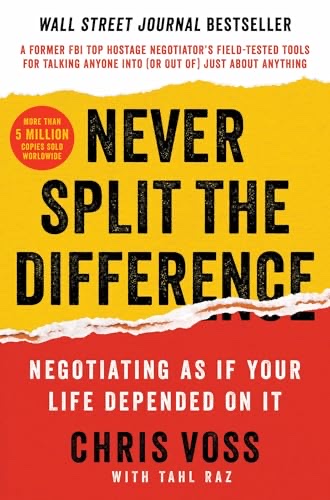
Cover of Never Split the Difference

Never Split the Difference

Chris Voss with Tahl Raz

3 ideas

  1. Tactical Empathy and Labeling Emotions

    Naming the other party's emotion out loud ('It seems like you're frustrated by...') defuses negative feelings by bringing them into the open and signals you understand their position without agreeing to it. Verbalizing fears diminishes their power, while labeling positive emotions reinforces them.

  2. Engineering a 'No' Over a 'Yes'

    People feel safe and in control when they say 'no,' so ask questions designed to elicit a no ('Is it ridiculous to...?') rather than chasing premature agreement. A 'yes' is often a defensive commitment-avoidance tactic, whereas 'no' opens genuine dialogue by giving the other side a sense of autonomy.

  3. The 'That's Right' Breakthrough

    Summarizing and paraphrasing the other side's worldview until they say 'that's right' signals they feel fully understood, which is the moment real persuasion becomes possible. This differs from 'you're right,' a dismissive phrase people use to end a conversation without committing to anything.

Save and mark ideas in the app