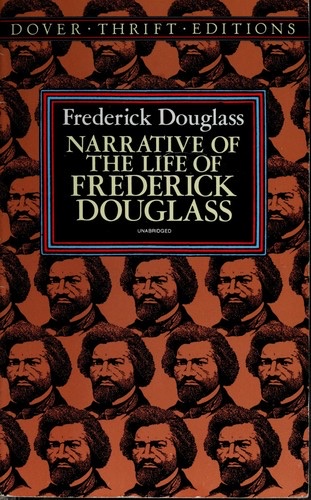
Cover of Narrative of the Life of Frederick Douglass

Narrative of the Life of Frederick Douglass

Frederick Douglass

4 ideas

  1. Literacy as the Pathway from Slavery to Freedom

    Slaveholders kept slaves illiterate because reading awakens awareness of one's condition and the desire to escape it — education and bondage are incompatible. Learning to read makes a person 'unfit' to be a slave by giving them the conceptual tools to recognize and resent their unfreedom.

  2. Religion as Sanction for Cruelty

    Slaveholders who converted to Christianity became crueler, not kinder, because religion supplied moral justification and divine sanction for their brutality. Piety and savagery coexisted because the religion of the slaveholding South was structurally distinct from and opposed to the religion of Christ.

  3. The Fight with Covey the Slave-Breaker

    After months of being broken by overwork and beatings, Douglass physically resisted the overseer Covey in a two-hour fight that Covey never reported. This act of resistance restored his sense of manhood and marked the psychological turning point from slave to free man, even before legal freedom.

  4. Slavery Degrades the Master Too

    The system of slavery corrupts the enslaver by giving them unchecked power, transforming once-kind people into cruel ones — Douglass watches a gentle mistress harden into vindictiveness once she becomes a slaveholder. Absolute power over others deforms the character of those who wield it, making slavery destructive to both parties.

Save and mark ideas in the app