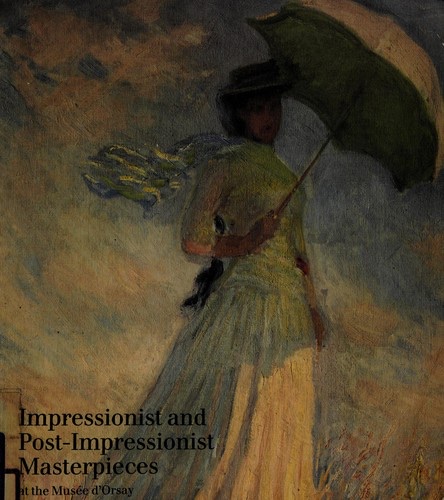
Cover of Musee d'Orsay Impressionist and Post-Impressionist Masterpieces

Musee d'Orsay Impressionist and Post-Impressionist Masterpieces

Unknown

3 ideas

  1. Painting Perception Instead of Objects

    Impressionism shifts the subject of painting from the stable object to the fleeting optical sensation of light hitting it at a specific moment. The canvas records how the eye perceives color and atmosphere in transient conditions, so the same haystack or cathedral becomes a different painting at different hours.

  2. Broken Brushwork Mixes Color In The Eye

    Rather than blending pigments on the palette, separate strokes of pure or unmixed color are placed side by side so they fuse optically when viewed from a distance. This produces a vibrancy and luminosity that physically mixed paint dulls, making the surface itself an active component of the image.

  3. Post-Impressionism Reintroduces Structure And Emotion

    Post-Impressionists rejected pure optical recording and instead used color and form as deliberate carriers of structure, symbolism, and personal feeling. Cézanne sought underlying geometric order, while Van Gogh and Gauguin distorted color and shape to express interior states rather than observed light.

Save and mark ideas in the app