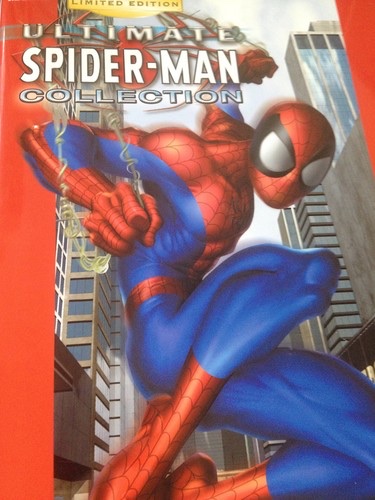
Cover of Marvel Ultimate Spider-Man Collection

Marvel Ultimate Spider-Man Collection

Brian Michael Bendis

5 ideas

  1. Power Demands Responsibility Through Personal Loss

    Inaction in a moment of small selfishness can cause a catastrophic personal loss, and that loss becomes the permanent moral engine for using power on behalf of others. The lesson sticks not because it was taught abstractly but because the failure was made personal and irreversible.

  2. The Ordinary Life Behind The Mask

    A hero is more compelling when the audience sees the mundane costs — missed homework, strained friendships, lost jobs, lying to loved ones — that the heroic identity inflicts on the ordinary life. The mask is not an escape from normal problems but a multiplier of them.

  3. Decompressed Real-Time Character Storytelling

    Stretching events across many issues at conversational, real-time pace privileges dialogue, relationship dynamics, and internal reaction over rapid plot advancement. Tension is built through how characters talk and hesitate rather than through how often things explode.

  4. Mentor Who Becomes The Threat

    An admired authority figure or benefactor turns into the antagonist, so the conflict is rooted in betrayed trust rather than external evil. The danger is amplified because the hero must fight someone they once depended on and still partly cares about.

  5. Peter Parker's Oscorp Bite and Uncle Ben

    Peter Parker, a bullied fifteen-year-old at Midtown High in Queens, is bitten by a genetically altered spider on a school field trip to Norman Osborn's Oscorp lab. He gains powers, uses them to earn cash as a masked wrestler, and shrugs off stopping a fleeing thief at the venue. Soon after, a burglar kills his Uncle Ben at the family home, and Peter hunts the killer to a warehouse only to discover he is the same man he let escape.

Save and mark ideas in the app