Power is necessary to get things done
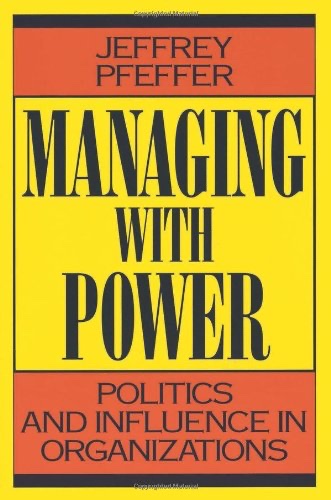
Pfeffer argues good ideas fail without the power to implement them, so managers must acquire and use power deliberately. Squeamishness about power is itself a liability.
11 ideas
Pfeffer argues good ideas fail without the power to implement them, so managers must acquire and use power deliberately. Squeamishness about power is itself a liability.
Power flows from formal position, resource control, network centrality, expertise, and the ability to cope with uncertainty. Managers should audit which sources they hold and can build.
Those who control resources others depend on gain leverage over them. Reducing your own dependence while increasing others' dependence on you is the basic move.
Pfeffer uses LBJ's Senate career to show relentless cultivation of relationships, information, and favors. Power was built incrementally through countless small exchanges.
Rather than moralizing, Pfeffer treats organizational politics as a skill of timing, framing, and coalition-building. Effectiveness, not innocence, is the standard.
The units or people who handle the organization's most critical uncertainties gain disproportionate influence. This holds especially when what they do is hard to replace and central to operations. When the critical uncertainty shifts, for example from engineering to marketing or to finance, power shifts to whoever can deal with the new one.
Analysis in organizations is rarely neutral, because whoever chooses the criteria, frames the problem, or selects which data to present largely determines the outcome. Hiring outside consultants, invoking experts, and presenting decisions as the product of rational analysis all help legitimate choices that were really settled by interests. The appearance of objectivity is itself a source of influence.
Robert Moses built enormous lasting power in New York by using public authorities, such as the Triborough Bridge Authority, that collected their own toll revenue. That revenue freed him from depending on elected officials' budgets. It also let him fund projects and reward allies, which made others dependent on him and allowed him to outlast mayors and governors.
Formal organization charts are unreliable guides to where power lies, so you have to diagnose it from observable evidence. Useful indicators include reputation (who others say matters), representation on key committees and positions, outcomes in resource allocation and decisions, and symbols such as office location and salary. Using several indicators together shows which actors you must influence to get something done.
Power becomes necessary when three conditions coincide: people depend on each other to get work done, they disagree about goals or methods, and the resources to settle the dispute are scarce. In that situation the better idea does not win on merit. It gets implemented only if its backers can mobilize enough support to overcome opposition.
Much of a person's power comes from where they sit rather than from their personal traits. Controlling resources others need, being central in communication and workflow networks, and holding formal authority all create dependence, and dependence is what gets converted into influence. The same person can gain or lose power without changing at all, simply because their position in the structure changes.