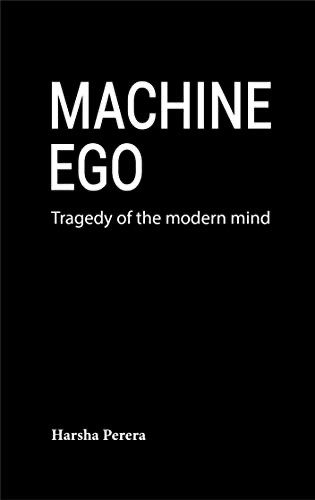
The machine ego
Perera argues modern selves have become machine-like: optimizing, box-ticking, and cut off from lived experience. This mechanized mode of being produces a distinctive psychological fragility.
6 ideas
Perera argues modern selves have become machine-like: optimizing, box-ticking, and cut off from lived experience. This mechanized mode of being produces a distinctive psychological fragility.
He traces how Descartes-inspired rationalism accelerated into an all-consuming drive that reshaped science, medicine, work, and mind. The snowball metaphor captures modernity's self-reinforcing momentum.
Nine-to-five bureaucratic specialization is named as a condition where narrow, procedural roles hollow out meaning. Efficiency at a task coexists with a loss of felt significance.
The essay contends the gains of rational, mechanized life come at the cost of felt aliveness and wholeness. Greater control over the world buys diminished contact with experience.
Selfhood is framed as conditioned programming that can be examined and loosened, not an essential identity. Seeing the ego as software makes it something one can step back from.
Perera positions reflective awareness of the machine ego as the route back toward a fuller, less fragile mode of being. Noticing the pattern is the first move out of it.