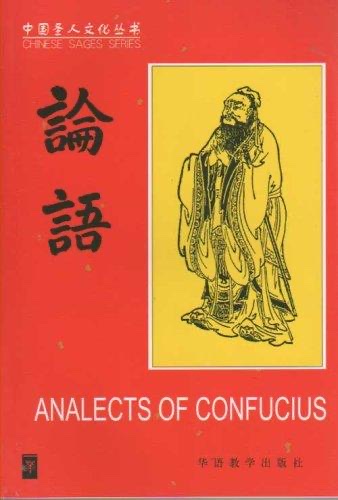
Cover of Lun yu

Lun yu

Confucius

6 ideas

  1. Rectification of Names

    Social disorder begins when words no longer match reality — when a ruler is not ruling, a father not fathering. Restoring order requires first making each role-name correspond to its actual conduct, because language that drifts from truth makes coordinated action and just punishment impossible.

  2. Reciprocity as the Negative Golden Rule

    The single thread that runs through ethical life is shu: do not impose on others what you would not want imposed on yourself. This restraint-based formulation governs behavior by checking action against one's own aversions rather than prescribing positive deeds.

  3. Rule by Virtue Over Punishment

    If you govern people by laws and keep order by punishments, they avoid wrongdoing but feel no shame. If you govern by moral force and order by ritual propriety, they develop a sense of shame and correct themselves from within.

  4. Ritual Propriety as Behavioral Scaffolding

    Li — codified ritual and etiquette — channels raw feeling into appropriate form, training character through repeated correct practice rather than abstract belief. Even virtues like courage or honesty become harmful without ritual to shape and restrain them.

  5. Government as Extension of Family

    Political loyalty and filial piety are not separate domains but a single continuum: one who honors parents and respects elders rarely rebels against authority. The cultivated household becomes the training ground and template for ordering the state.

  6. The Junzi as Self-Cultivating Exemplar

    The noble person is defined not by birth but by continuous moral self-improvement, judging himself while making no demands on others. He is at ease without arrogance, seeks rightness rather than profit, and influences others by example as wind bends grass.

Save and mark ideas in the app