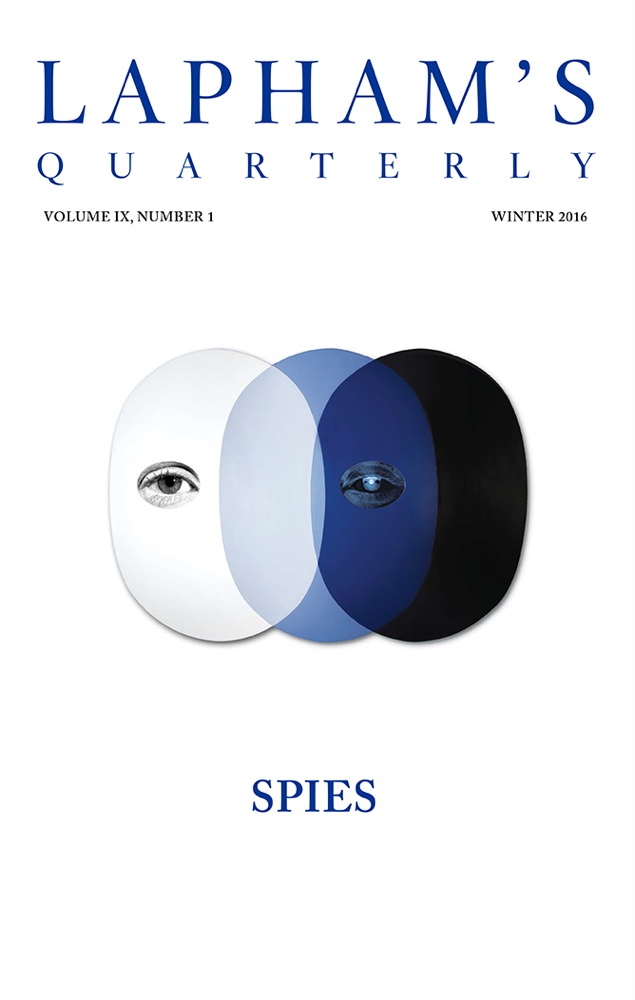
Cover of Lapham's Quarterly: Spies

Lapham's Quarterly: Spies

Lewis H. Lapham (ed.)

4 ideas

  1. Intelligence Value Decays Through Bureaucratic Distance

    Information collected by spies loses reliability and urgency as it passes upward through layers of handlers, analysts, and political superiors who reshape it to fit existing expectations. The further raw intelligence travels from its source, the more it is filtered to please power rather than describe reality.

  2. The Double Agent's Loyalty Paradox

    A spy who serves two masters becomes most valuable precisely when neither side can fully trust him, because his usefulness depends on remaining credible to the enemy he betrays. This creates a permanent instability where the agent's survival requires sustaining deception in both directions simultaneously.

  3. Surveillance As Mutual Suspicion Engine

    States that build apparatus to watch enemies inevitably turn that machinery inward, treating their own citizens as potential threats. The act of looking for hidden disloyalty manufactures the perception of disloyalty everywhere, expanding the watched population without limit.

  4. Secrecy Corrodes The Institutions It Protects

    Concealment justified as national defense removes the external scrutiny that keeps intelligence operations accurate and accountable, allowing errors and abuses to compound unchecked. The protective wall of secrecy ends up shielding incompetence and self-interest as readily as it shields genuine national interest.

Save and mark ideas in the app