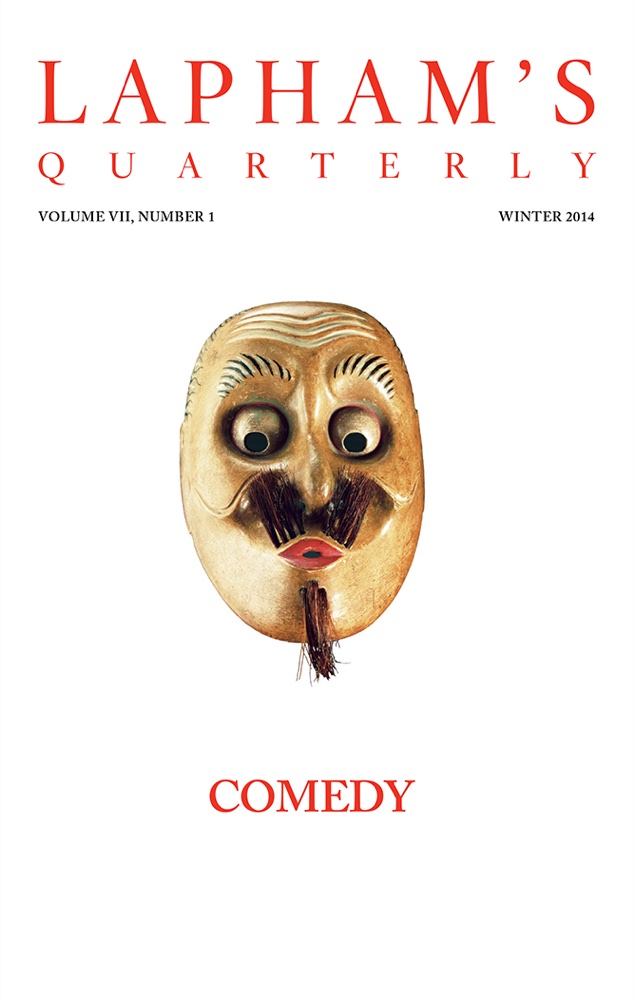
Cover of Lapham's Quarterly: Comedy

Lapham's Quarterly: Comedy

Lewis H. Lapham (ed.)

4 ideas

  1. Comic genius rooted in inner suffering

    Great comic performers and writers frequently produce their humor while wrestling with private demons — depression, addiction, or psychological instability — suggesting comedy operates as a mechanism for managing internal pain rather than expressing carefree joy. The public mask of the fool is often generated by, not despite, the performer's private turmoil.

  2. Laughter as assertion of superiority

    One theory holds that laughter arises from a sudden feeling of superiority — we laugh at the misfortune, folly, or degradation of others because it flatters our own comparative standing. Humor thus functions less as gentle amusement than as a socially sanctioned form of aggression and dominance.

  3. Wit as license for impunity

    Framing an insult or aggression as wit grants social permission to say things that would otherwise be punished — the cleverness of the delivery neutralizes the offense of the content. This makes humor a tool for committing rudeness while escaping the consequences of it.

  4. The universal buffoon across cultures

    Nearly every civilization independently develops a stock figure of the licensed fool or buffoon whose designated role is to mock, invert, and puncture authority. The recurrence of this archetype across unrelated societies indicates that comedy serves a structural social function — a controlled release valve for challenging hierarchy.

Save and mark ideas in the app