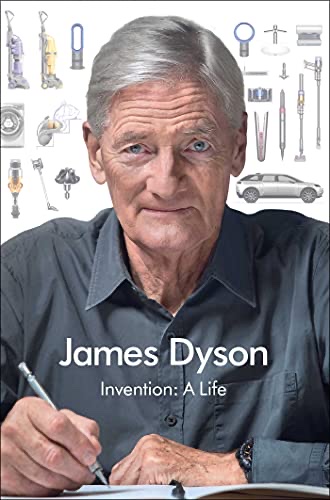
Cover of Invention: A Life

Invention: A Life

James Dyson

4 ideas

  1. 5,127 Prototypes Before the Dual Cyclone

    Dyson built 5,127 failed prototypes over five years to develop his bagless vacuum, changing one variable at a time to learn exactly what each change caused. The failures were not setbacks but the actual data-generating mechanism — each one isolated a cause and narrowed the path to a working design.

  2. Engineers Should Solve Their Own Frustrations

    The strongest product ideas come from a person personally irritated by a tool that works badly — Dyson's vacuum lost suction as its bag clogged, and that lived frustration, not market research, pointed at the unmet need. Identifying everyday objects people tolerate despite poor function is a more reliable invention source than asking customers what they want.

  3. Wrong-Thinking as Design Method

    Deliberately rejecting how an industry has always done something opens solution spaces experts ignore — Dyson applied cyclonic separation from a sawmill to a household vacuum precisely because vacuum makers assumed bags were essential. The method is to question the inherited constraint everyone treats as fixed, then design as if it doesn't exist.

  4. Manufacturing Owned, Not Licensed

    Dyson chose to manufacture and sell directly rather than license his patent to existing companies, because incumbents had no incentive to cannibalize their lucrative bag-replacement businesses. Owning the means of production captures the full value of an invention and avoids being strangled by those who profit from the status quo you threaten.

Save and mark ideas in the app