Status transactions in every interaction
People constantly play high or low status through posture, speech, and gesture, even when trying to be equal. Seeing these moves unlocks believable acting and social insight.
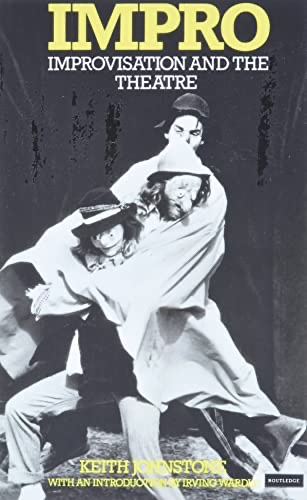
6 ideas
People constantly play high or low status through posture, speech, and gesture, even when trying to be equal. Seeing these moves unlocks believable acting and social insight.
Schooling trains people to censor their first, obvious ideas for fear of being wrong or unoriginal. Improv retrains access to the immediate impulse.
Skilled improvisers say yes to a partner's contribution and build on it instead of negating it. Blocking kills scenes; acceptance generates them.
Wearing a mask can put a performer into a trance-like state and free an unguarded character. The mask bypasses the self-conscious ego.
Everyone is inherently imaginative; what stops them is fear of judgment. Removing the threat of evaluation restores creative flow.
Around the early 1960s at the Royal Court Theatre Studio in London, Keith Johnstone was frustrated that his actors' improvised scenes felt stilted and unlike real life. As an experiment, he told them to try to get their status just a little above or below their partner's in each exchange. The scenes suddenly became authentic, gripping and funny, and this became the basis of his status work.